Imagine a world where machines can diagnose diseases with astonishing accuracy, tailor medical treatments to each patient’s needs, and efficiently manage vast amounts of health data.
In this article, we explore the exciting advances, far-reaching possibilities, and inevitable limitations of this technological revolution in healthcare.
Artificial intelligence, a branch of computer science that seeks to develop systems capable of learning and making decisions, has become a fundamental tool in the field of medicine. From interpreting medical images to personalizing treatments, AI is proving its worth.
Advances in Medical Diagnosis:
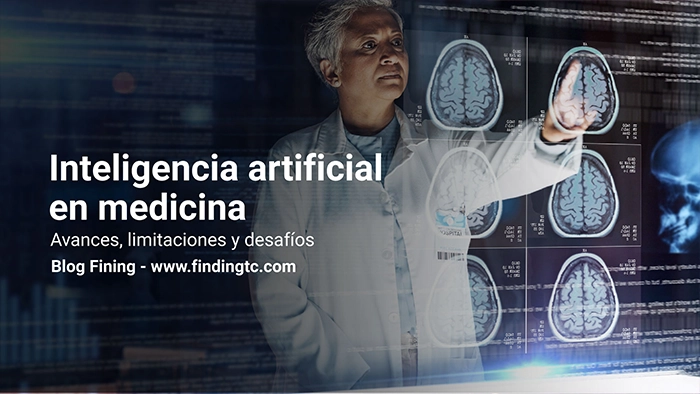
One of AI’s most remarkable achievements is its ability to help diagnose diseases from medical images. Advanced algorithms can analyze X-rays, CT scans, and MRIs with impressive accuracy, accelerating the detection of conditions such as heart disease.
Personalized Treatments:
Every patient is unique, and AI can account for those differences. Using patient-specific health data, AI can help tailor treatments to achieve better outcomes. Rather than relying on a one-size-fits-all approach, clinicians can adjust treatments to individual needs, improving success rates and reducing side effects.
Healthcare Data Management:
The volume of healthcare data generated in the digital age is overwhelming. AI can help organize, analyze, and securely share this information, supporting better care and clinical decision-making.
Limitations and Challenges
Despite these advances, AI in medicine presents significant challenges and limitations. Data quality is crucial, and many AI systems rely on large, accurate datasets. Interpreting AI-generated results can also be complex. Ethics and patient privacy remain growing concerns, underscoring the need for clear regulation.
AI has the potential to transform healthcare, but important ethical and technical challenges must be addressed before its full benefits can be realized. The path forward promises advances that could improve health outcomes for people around the world.